Key Takeaways
- The Canadian Association of Optometrists recommends a baby’s first eye exam happen between 6 and 9 months old and then again between 2 and 5 years old, before they start school.
- Children under 19 are recommended to have annual eye exams.
- Healthy adults under 65 are generally recommended to have eye exams every 2 to 3 years.
- Adults 65+ are encouraged to come in yearly.
- Those with diabetes, high blood pressure, or a family history of eye disease may be recommended to have more frequent visits.
- Blurry vision, eye pain, or new flashes or floaters can be signs of an eye emergency and require prompt assessment.
Many people believe that just because they see clearly, they don’t need to come in for an eye exam. But at View Pointe Vision + Style, we want you to understand why eye exams are so important and how often to come see our team.
Most healthy adults under 65 are recommended to have an eye exam every 2 to 3 years, while children under 19 and adults over 65 can benefit from annual visits. An eye exam is more than a test of how well you see: It’s a comprehensive check of the overall health of your eyes.
Eye Exam Frequency by Age
Generally, the Canadian Association of Optometrists recommends the following schedule for eye exam frequency:
- A baby’s first eye exam should be scheduled between 6 and 9 months of age to monitor visual development. After that, scheduling 1 exam between ages 2 and 5 can help detect changes before school starts.
- For children 19 and under, a yearly eye exam can help detect changes early and manage any problems as they arise.
- For healthy adults between 20 and 39, every 2 to 3 years is generally considered a good rhythm.
- From 40 to 64, the recommendation moves to every 2 years, since this is when many people first notice changes in their near vision.
- For adults 65+, many optometrists recommend annual eye exams. This is important because seniors are at a higher risk of age-related eye conditions and diseases, so coming in regularly can help detect changes when they’re smaller and often easier to manage.
Why Regular Eye Exams Matter
Many eye conditions show no symptoms in early stages. An eye exam can detect early signs of conditions like glaucoma, cataracts, and macular degeneration, sometimes before you notice anything yourself. An exam can also reveal signs of diabetes or high blood pressure, which is why the appointment is worth keeping even when everything feels normal.
Reasons You May Need More Frequent Visits
Some people may be recommended to come in more frequently. If you or a loved one lives with diabetes or high blood pressure, or eye disease runs in your family, your optometrist may suggest coming in more often to catch early changes. The same goes if you wear contact lenses or take certain medications.
Symptoms of an Eye Emergency
There are some symptoms that warrant prompt assessment and professional care. If you notice any of the following, call your eye doctor right away instead of waiting:
- Intense eye pain or a trauma to the eye
- New flashes or floaters
- You notice a shadowy curtain fall across your vision, which can be a sign of a retinal detachment
- Loss of vision
What Happens During an Eye Exam
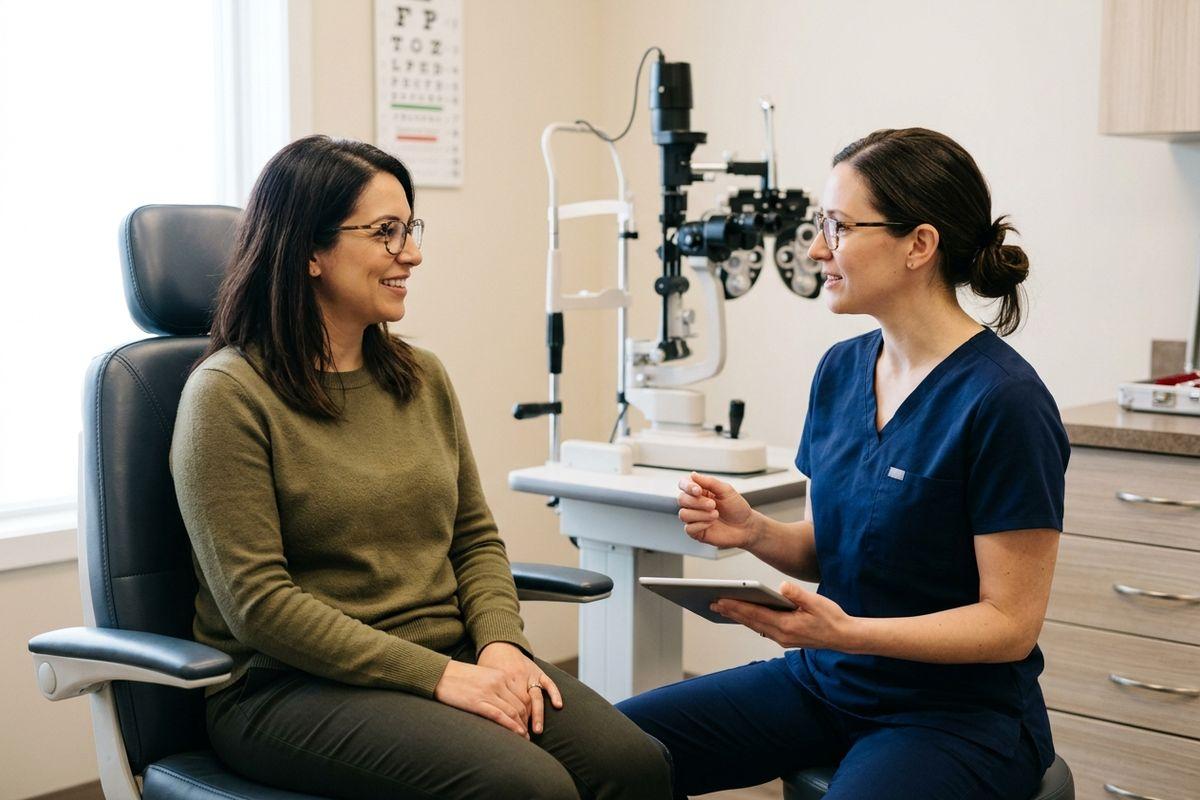
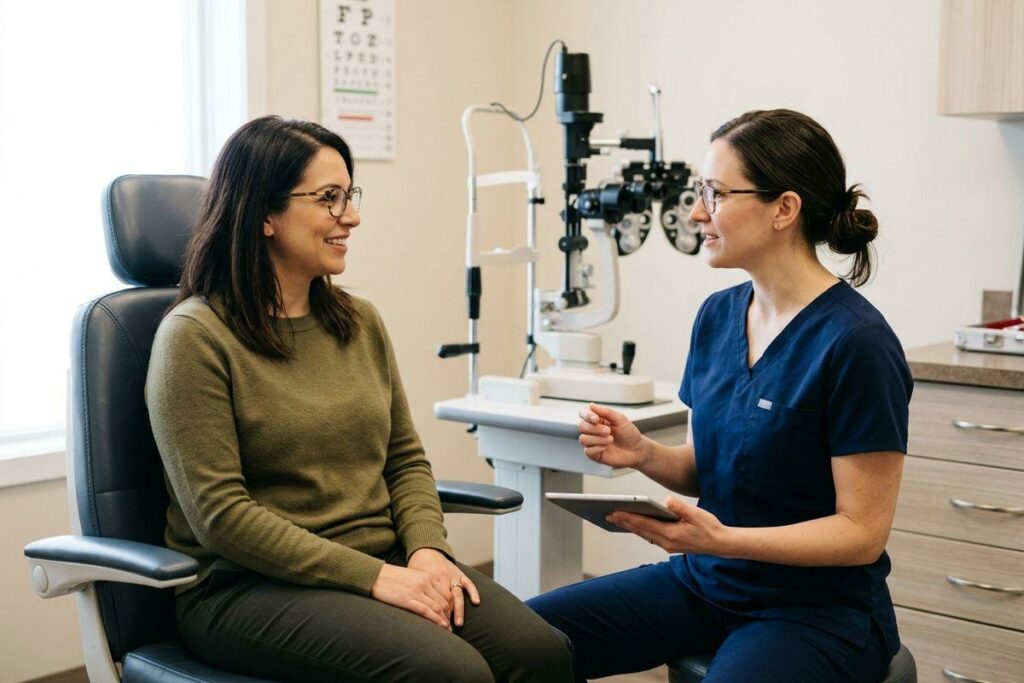
Your visit starts with a conversation. Your eye doctor can review your health history and talk about how you use your eyes day to day, whether that’s long hours on a screen, long drives, or weekend hockey.
From there, our team checks your vision and your prescription. Imaging of the inside of your eye rounds out the picture and gives a baseline to compare against next time.
How Long Your Prescription Stays Current
Glasses and contact lens prescriptions come with expiry dates. Before you order new lenses, a quick recheck confirms the numbers still match your eyes, helping you see clearly and comfortably.
How to Care for Your Eyes Between Exams
The 20-20-20 rule gives your eyes a break during screen time. Every 20 minutes, look at something 20 feet away for 20 seconds. This can help with the symptoms of digital eye strain.
Sunglasses with UV blocking help on bright Winnipeg days, and sports eyewear is worth having if you play. If you wear contact lenses, wear and clean them as directed.
Frame and Lens Choices That Support Daily Comfort
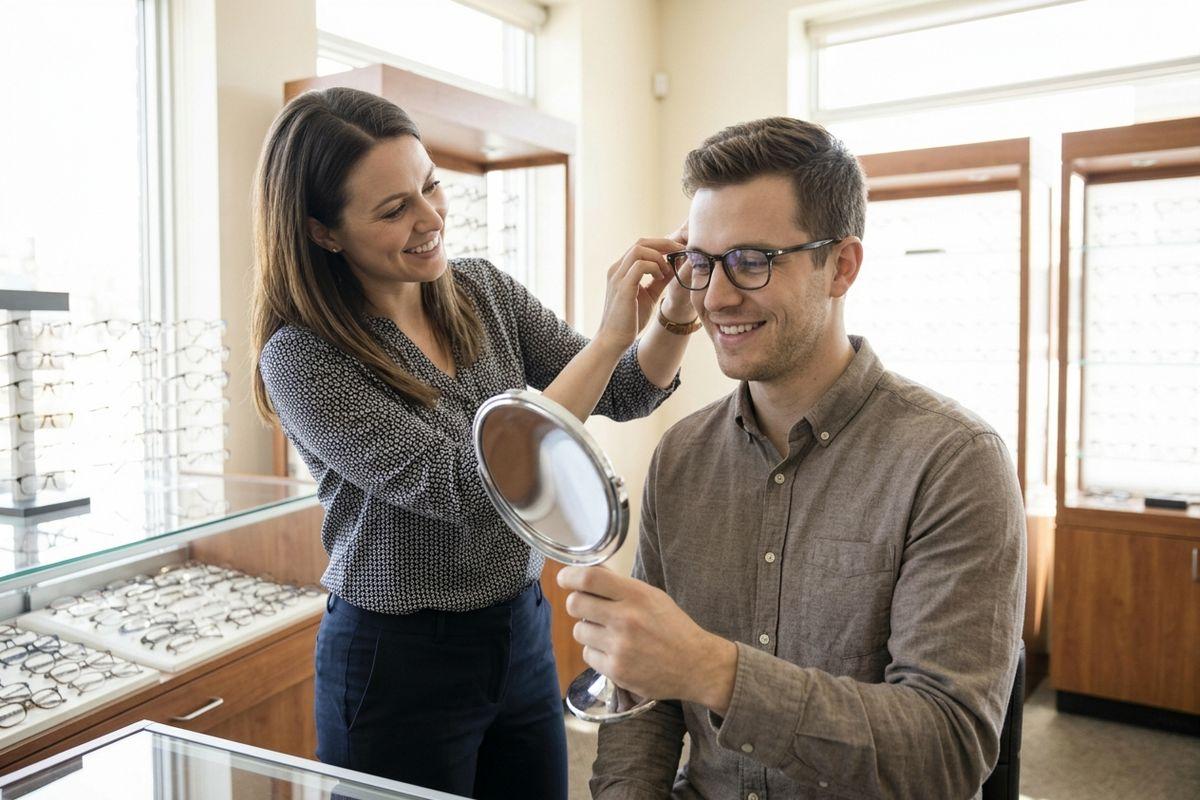
Frames should suit your face and your day. Our optical boutique offers styling help, so you can try shapes and colours with someone who can recommend frames that look great and feel comfortable.
We can recommend lens options that match how you actually live, whether you spend most of your time on a laptop, behind the wheel, or outdoors.
When to Book an Eye Exam
If your last visit is a blur or you’ve noticed a change in your vision, we recommend you book an eye exam with our team today. At View Pointe Vision + Style, we can help you understand your eye health and find your next pair of frames.